- info@themexriver.com
- 524 Cornell Avon Park, US


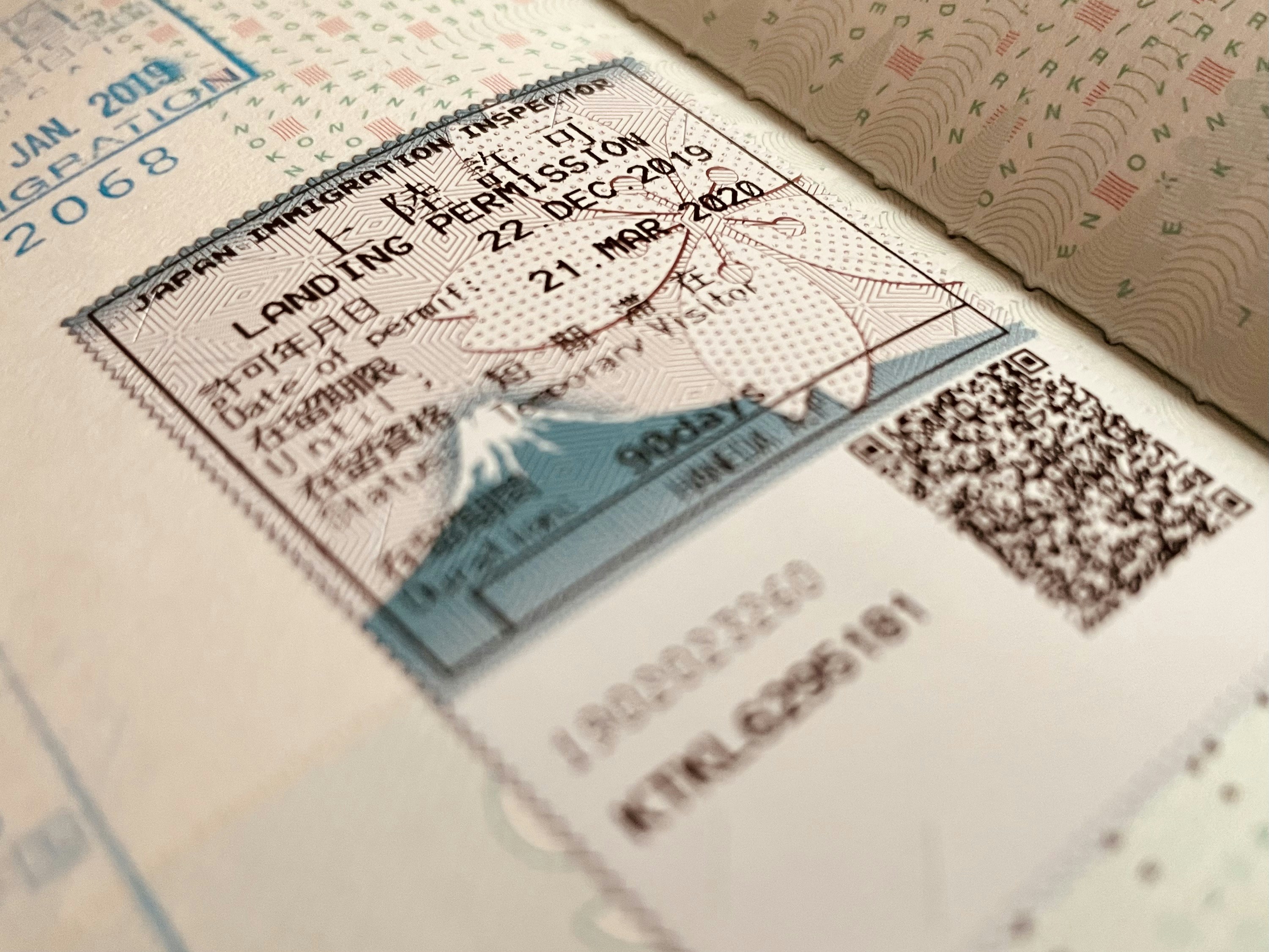
Canada’s immigration system is designed to assist individuals seeking to make the country their new home. It comprises various immigration and citizenship services aimed at facilitating the arrival, settlement, and integration of immigrants. Understanding these services is essential for prospective immigrants as they navigate the numerous pathways available for legal entry into Canada.
The primary services offered under the Canadian immigration umbrella include permanent residency, temporary residency, and citizenship. Permanent residency allows individuals to live and work in Canada indefinitely, while temporary residency is typically associated with specific visas such as study permits or work permits. Citizenship services, on the other hand, help permanent residents obtain Canadian citizenship, granting them additional rights and responsibilities within the country.
One of the key components of the Canadian immigration process is the Express Entry system, which manages applications for permanent residence through various immigration programs. This system evaluates candidates based on criteria such as education, work experience, and language proficiency, ultimately facilitating the immigration process for skilled workers. Alongside Express Entry, Canada also offers provincial nomination programs, which empower provinces and territories to nominate individuals for permanent residence based on local labor market needs.
Newcomers to Canada can also access numerous support services that assist with settlement, including language training, job search assistance, and community integration programs. These resources are critical in helping immigrants adjust to their new environment, navigate bureaucracy, and establish professional networks.
In conclusion, understanding Canadian immigration and citizenship services is an essential step for those looking to migrate to Canada. Such knowledge not only streamlines the application process but also enhances the ability to successfully integrate into Canadian society.
Canada offers a variety of immigration pathways, each designed to cater to different needs and aspirations of individuals from across the globe. Understanding these pathways is essential for prospective immigrants as it allows them to align their personal or professional circumstances with the appropriate Canadian immigration option. The primary categories of pathways include permanent residence, work permits, study permits, and visitor visas.
The first category, permanent residence, allows foreign nationals to live in Canada indefinitely. This status grants immigrants access to many social benefits available to Canadian citizens, including healthcare. Notably, programs under the permanent residence status include the Express Entry system and Provincial Nominee Programs (PNPs), which attract skilled workers, family members of Canadians, and refugees.
Work permits offer individuals the opportunity to work in Canada temporarily. There are two main types: employer-specific work permits, which allow individuals to work for a designated employer, and open work permits, which permit more flexibility in choosing employers. Applicants must often demonstrate that they possess skills or experience that meet Canadian labor market demands.
For those wishing to pursue education, study permits are available for foreign students who wish to attend designated learning institutions in Canada. These permits often lead to post-graduation work opportunities, thereby enhancing one’s employability within the Canadian job market. Furthermore, successful completion of a program can pave the way for an application for permanent residence.
Lastly, visitor visas are necessary for individuals who want to visit Canada temporarily, whether for tourism, visiting family or friends, or business purposes. While these visas do not pave the way for settlement, they play a crucial role in fostering connections between Canada and citizens of other nations.
When considering immigration to Canada, it is essential to understand the various eligibility requirements associated with different pathways. These requirements can vary significantly depending on the type of visa or residency application being pursued. Key factors typically include age, education, work experience, language proficiency, and other specific criteria tied to each immigration program.
Age is a critical element; generally, younger applicants receive more points within points-based systems such as the Express Entry. Most programs favor candidates between the ages of 25 and 35, as they are often perceived as more likely to contribute to Canadian society over the long term. While older individuals can still qualify, their age may influence the number of total points allocated toward their application.
Education is another fundamental requirement that plays a significant part in various immigration pathways. Applicants need to provide proof of educational credentials, which might need to undergo assessment by designated organizations. Higher education and degrees from reputable institutions can enhance the chances of meeting eligibility standards thoroughly.
Work experience is equally vital and often must meet specific criteria relevant to the applicant’s intended occupation in Canada. Applicants are usually required to demonstrate relevant work history, typically needing to provide comprehensive details about previous employment to establish that they possess the necessary skills.
Language proficiency is frequently mandated as applicants must demonstrate the ability to communicate proficiently in English or French through standardized language tests. Proficiency scores can significantly influence overall eligibility, as linguistic abilities are closely tied to successful integration into Canadian society.
In addition to these primary criteria, there are unique components for specialized programs, such as provincial nominee programs, family sponsorship, and others. Candidates are strongly advised to conduct thorough research and assess the specific requirements related to the immigration pathway they wish to follow to ensure they meet all eligibility criteria effectively.
Canada offers various pathways for individuals seeking to immigrate, including permanent residence, work permits, study permits, and citizenship. Each category has its unique application process and requirements, which are important to understand to ensure a smooth transition to Canadian life.
To apply for permanent residence, applicants typically need to go through the Express Entry system, Provincial Nominee Programs (PNPs), or Family Sponsorship. The first step involves determining eligibility based on factors like age, education, work experience, and language proficiency. After confirming eligibility, candidates should gather necessary documents, including identity proof, educational credentials, and work experience letters. Submitting an online profile is crucial, as this is where individuals are ranked against others in the pool. Another important resource is the Comprehensive Ranking System (CRS), which assigns scores based on multiple factors.
For work permits, applicants must usually secure a job offer from a Canadian employer who has been issued a positive Labour Market Impact Assessment (LMIA). The application requires the submission of an LMIA, as well as personal documents like resumes and references. Prospective international students will need to apply for a study permit after receiving acceptance from a recognized learning institution in Canada. This process involves providing proof of sufficient funds and educational documents.
Citizenship applications require passing a citizenship test, proving language proficiency, and demonstrating residence in Canada. Applicants often must compile supporting documents such as proof of residency and tax filings.
In summary, navigating the Canadian immigration system necessitates comprehensive preparation and an understanding of each application process, ensuring compliance with regulations to achieve successful entry into Canada.
The processing times for immigration applications in Canada can vary significantly depending on the type of application being submitted. Generally, the processing duration ranges from a few months to several years. For instance, visitor visa applications may take approximately 12 weeks, while student and work permit applications often have a processing time of up to 10 weeks. Permanent residency applications, more specifically under the Express Entry program, usually aim for a processing time of about six months, provided that the candidate meets all required criteria and submissions are complete.
It is essential for applicants to regularly check the official Immigration, Refugees and Citizenship Canada (IRCC) website, as they provide updated processing times that reflect current workloads and can change based on various factors. Furthermore, applicants should consider the complexities associated with their individual circumstances, which may result in longer wait times.
In addition to processing times, applicants should also be aware of the associated fees, which vary by application type. For visitor visas, the fee is typically around CAD 100, whereas work permits can range from CAD 155 to CAD 365, based on the nature of the application. The fee for applying for permanent residency often starts at CAD 1,325 per adult applicant, plus additional costs for medical examinations and biometrics. It is vital to budget for these expenses early in the application process to help ensure smoother navigation through the immigration pathway.
In conclusion, understanding the expected processing times and fees associated with various immigration applications can significantly assist applicants in preparing for their journey towards Canadian immigration. Being informed about these details can help alleviate some of the uncertainties and aid in effective planning and execution of the application process.
Canada has a long-standing commitment to providing protection to refugees and asylum seekers from around the globe. The country is renowned for its humanitarian approach, offering various programs tailored to meet the specific needs of individuals fleeing persecution, war, or violence. The cornerstone of Canada’s refugee system is the Refugee Protection Division (RPD), which evaluates claims of individuals seeking asylum due to a well-founded fear of persecution based on race, religion, political opinion, or other social group memberships.
To be eligible for asylum in Canada, individuals must first arrive in the country and make a refugee protection claim. This can be done either at a port of entry (such as an airport or border crossing) or from within Canada. Applicants must provide relevant evidence supporting their claim of persecution, and they must submit their application within a specific time frame after arrival. It is essential that they also demonstrate their inability to seek protection from their home country.
In addition to the conventional refugee protection process, Canada has provisions for resettling refugees from abroad, particularly those in urgent need. The Government of Canada collaborates with the United Nations High Commissioner for Refugees (UNHCR) and various non-governmental organizations to facilitate the resettlement of vulnerable populations, including women at risk, children, and members of LGBTQ+ communities. Furthermore, private sponsorship programs allow Canadian citizens to support refugees through financial and social assistance during their settlement period.
Support services available for newcomers to Canada include access to housing, education, health care, and language training. These resources are vital to helping refugees integrate into Canadian society. Overall, Canada’s refugee and asylum programs symbolize the nation’s commitment to human rights and the protection of individuals facing threats in their homelands, ensuring that those seeking safety have avenues to rebuild their lives.
Family sponsorship programs play a pivotal role in the Canadian immigration landscape, allowing Canadian citizens and permanent residents to reunite with their loved ones from abroad. These programs not only facilitate the immigration process for family members but also contribute to the well-being of families, strengthening societal ties within the nation.
To be eligible for the family sponsorship program, sponsors must be at least 18 years of age and a Canadian citizen or permanent resident. The program encompasses various categories, including spouses, common-law partners, dependent children, and parents or grandparents. Each category has specific requirements and documentation that must be provided, which ensures that the application process is transparent and manageable.
The application process for family sponsorship begins with the sponsor submitting an application to Immigration, Refugees and Citizenship Canada (IRCC), demonstrating their ability to support their relative financially and fulfill obligations associated with the sponsorship. This requirement underscores the sponsor’s responsibility to provide housing, food, and other essential needs for the sponsored individual. It is important for sponsors to be prepared for a potentially lengthy process, as applications are thoroughly reviewed to determine their validity and adherence to immigration regulations.
Furthermore, upon approval of the application, the sponsored family member must adhere to specific conditions, such as maintaining their status and fulfilling residency requirements in Canada. Overall, the family sponsorship program significantly contributes to cultural diversity and supports the reunification of families, fostering a sense of community among residents. Understanding the eligibility criteria, application procedures, and sponsor responsibilities is crucial for a successful immigration journey through the family sponsorship route.
The Express Entry system is a pivotal component of Canada’s immigration process, specifically designed for skilled workers seeking permanent residency. Implemented in 2015, this online application management system streamlines the intake of immigration applications and assesses candidates through a points-based Comprehensive Ranking System (CRS). The system primarily encompasses three federal immigration programs: the Federal Skilled Worker Program, the Federal Skilled Trades Program, and the Canadian Experience Class.
To participate in the Express Entry system, candidates must first create an online profile that includes their qualifications, work experience, language proficiency, and other relevant information. Once entered into the Express Entry pool, candidates are ranked based on their CRS score, which considers factors such as age, education, work experience, language skills, and adaptability. Higher CRS scores significantly enhance an applicant’s chances of receiving an Invitation to Apply (ITA) for permanent residency during regular draws conducted by Immigration, Refugees, and Citizenship Canada (IRCC).
Eligibility criteria vary across the immigration programs within the Express Entry system. For instance, the Federal Skilled Worker Program requires a minimum score on the CRS alongside sufficient work experience and proficiency in either English or French. Conversely, the Canadian Experience Class emphasizes candidates with previous Canadian work experience. As applicants navigate their immigration journey, they should focus on enhancing their CRS scores. This can be achieved by obtaining higher language test scores, gaining additional work experience, acquiring a job offer, or securing a provincial nomination which can provide substantial bonus points.
Relocating to a new country can be a daunting experience, especially when adjusting to a different culture, language, and lifestyle. Fortunately, Canada offers a wide range of resources specifically designed to assist newcomers in their transition. Settlement Services are available nationwide to help individuals and families acclimate to their new surroundings. Organizations like Canadian Immigrant Integration Program (CIIP) and Immigrant Services Association of Nova Scotia (ISANS) provide guidance on everything from finding housing to understanding local healthcare systems.
Language barriers can often pose challenges for newcomers, making language training a crucial resource. Programs like the Language Instruction for Newcomers to Canada (LINC) offer English and French language training that helps immigrants enhance their communication skills, which are essential for both daily interactions and professional opportunities. Local community centers and libraries frequently host classes and workshops to further support language learning.
A wealth of information about living and working in Canada can also be found online. Websites such as the Government of Canada’s official site and provincial immigration websites provide essential information about job prospects, educational opportunities, and legal rights. They also offer immigration advice and detailed guides on the process of becoming a Canadian citizen.
In addition to these resources, numerous community organizations exist to provide social support and networking opportunities for newcomers. Groups like the Canadian Centre for Immigrant Entrepreneurship and local cultural associations play a key role in connecting newcomers with others in similar situations, fostering a sense of belonging and community.
Ultimately, utilizing these resources can significantly enhance the experience of newcomers and facilitate a smoother transition into life in Canada. By seeking assistance and utilizing available information, immigrants can cultivate the skills and connections necessary to thrive in their new environment.