- info@themexriver.com
- 524 Cornell Avon Park, US


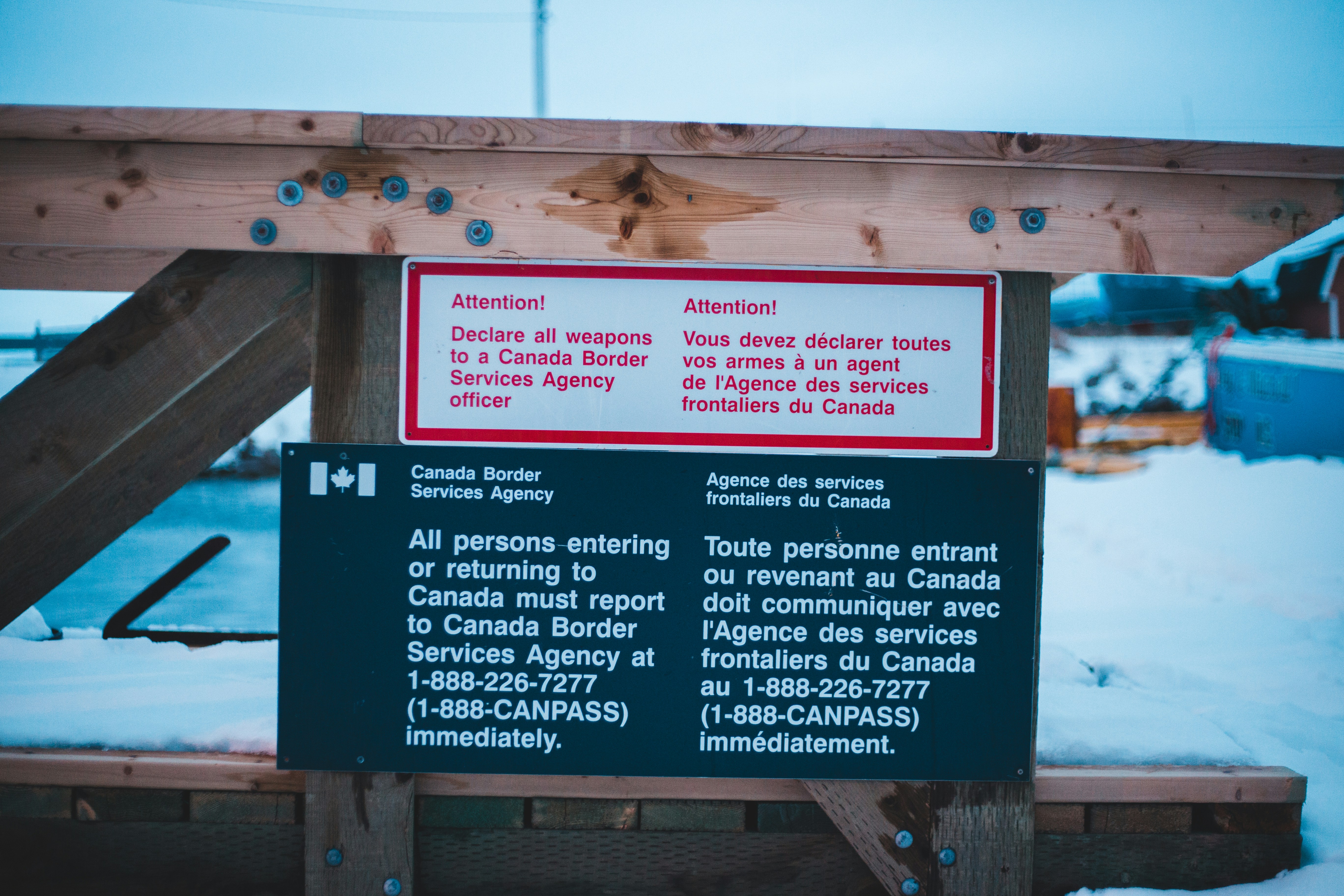
Permanent residence (PR) in Canada is a pivotal status that allows individuals from around the globe to live, work, and study in the country indefinitely. Unlike temporary permits, permanent residents have the right to choose their place of residence within Canada and are granted access to the same social benefits as Canadian citizens, including healthcare and education.
The significance of obtaining PR cannot be overstated, particularly for immigrants seeking to establish a new life in Canada. Permanent residency opens the door to numerous opportunities, including the ability to reside with family members, pay taxes, and participate fully in the community. Moreover, it paves the way for many immigrants to transition to Canadian citizenship, a goal for many who choose to make Canada their permanent home.
As one embarks on the journey of securing permanent residence, it is essential to understand the various pathways available. Each immigration program is designed to meet different needs, whether you’re a skilled worker, an international student, a business person, or fleeing persecution. The criteria for each stream differ significantly, underscoring the importance of thorough research and preparation in the process of obtaining PR.
This guide aims to provide comprehensive insights and step-by-step guidance for aspiring permanent residents. It will outline the application process, eligibility requirements, and the overall benefits associated with becoming a permanent resident in Canada. By demystifying the PR process, this guide serves to empower individuals, equipping them with the tools and knowledge necessary to navigate their journey smoothly.
Obtaining permanent residence (PR) in Canada is a significant step that opens up numerous opportunities in this diverse and prosperous nation. However, to achieve this status, applicants must fulfill specific eligibility requirements that vary depending on the immigration program they select.
One of the primary factors influencing eligibility is age. While Canada does not have a strict age cutoff, younger applicants often receive higher scores in the Comprehensive Ranking System (CRS). This system values candidates who are in their prime working years, typically between 18 to 35 years old, which can facilitate the PR process.
Next, education plays a pivotal role in determining eligibility. Higher educational qualifications, particularly degrees from recognized institutions, enhance an applicant’s chances of securing PR. The Educational Credential Assessment (ECA) is often required to ensure that foreign qualifications meet Canadian standards.
Work experience is another crucial criterion. Most PR pathways necessitate a minimum number of years in skilled employment, categorized under the National Occupational Classification (NOC). Typically, at least one year of full-time work experience in a relevant field significantly boosts an applicant’s profile.
Language proficiency is also essential, as Canada is a bilingual country with English and French as its official languages. Applicants must provide proof of their language skills through recognized tests such as IELTS for English or TEF for French. A high score can substantially increase an applicant’s CRS points.
Lastly, adaptability factors, such as having relatives in Canada or previous study or work experience in the country, can positively influence the application process. These factors demonstrate a candidate’s potential to successfully settle and thrive in Canada.
In conclusion, prospective applicants should thoroughly research and ensure they meet all eligibility requirements for their chosen PR pathway, maximizing their chances of a successful application.
Canada offers a multifaceted approach to immigration, providing various pathways that enable individuals to secure Permanent Residence (PR). Each pathway caters to different profiles, skills, and family situations. Understanding these options is crucial for selecting the most suitable route for one’s immigration aspirations.
The Express Entry system is one of the most well-known avenues for skilled workers. It functions on a points-based system that evaluates candidates based on factors such as age, education, work experience, and language proficiency. Successful applicants are invited to apply for PR through one of the federal economic programs: the Federal Skilled Worker Program, the Federal Skilled Trades Program, or the Canadian Experience Class.
Another significant pathway is the Provincial Nominee Program (PNP). Each province in Canada has its own PNP designed to address specific labor shortages and demographic challenges. By receiving a nomination from a province, candidates can then apply for PR, which often includes additional points when submitted through the Express Entry system. This stream is particularly appealing for individuals who want to reside in specific provinces and have skills that meet regional needs.
Family sponsorship is another pathway that allows Canadian citizens and permanent residents to sponsor their relatives, including spouses, children, and parents, for PR. This process underscores the familial ties that Canada values, allowing families to reunite while also contributing to Canada’s diversity.
Finally, economic streams, such as the Start-up Visa and Self-employed persons program, cater to entrepreneurs and self-sufficient individuals who can contribute to Canada’s economy. These pathways recognize the importance of innovation and business leadership and play a critical role in fostering a vibrant economic landscape.
The Express Entry system is a streamlined immigration pathway designed for skilled workers aspiring to settle in Canada. This system plays a pivotal role in managing applications for various immigration programs, including the Federal Skilled Worker Program, the Federal Skilled Trades Program, and the Canadian Experience Class. Understanding the Express Entry process is essential for those looking to obtain Permanent Residence (PR) in Canada.
To begin, candidates must first determine their eligibility for one of the programs managed through the Express Entry framework. The prerequisites generally include educational qualifications, work experience, language proficiency, and age. Prospective immigrants are encouraged to have their educational credentials assessed, which is a mandatory step in the application process. Additionally, applicants should take language proficiency tests, such as IELTS or CELPIP, to demonstrate their command of English or French.
Once eligibility is confirmed, candidates can create an online profile, which is crucial for entering the Express Entry pool. This profile requires detailed information regarding education, work experience, and family background. After submission, candidates are assessed based on the Comprehensive Ranking System (CRS), which utilizes a points-based model to rank applicants against one another. Factors influencing a candidate’s CRS score include language skills, work experience, and education level, among others.
The Government of Canada conducts regular draws from the Express Entry pool, inviting the highest-ranked candidates to apply for Permanent Residence. These invitations are issued according to predetermined cut-off scores, and candidates have a limited timeframe to submit their complete application and necessary documentation. The entire process is designed to be efficient, allowing successful candidates to transition smoothly into Canadian society.
Provincial Nominee Programs (PNPs) are an essential component of Canada’s immigration framework, allowing provinces and territories to nominate individuals for permanent residence based on their skills, experience, and ability to contribute to the local economy. Each province has its own PNP, with distinct streams tailored to address specific labor market needs and demographic requirements. These programs enable provinces to assert more control over the immigration process by selecting candidates who are likely to flourish in their specific job markets.
The application process typically begins with a candidate either being nominated by a province or applying directly to a PNP stream that aligns with their qualifications and employment status. Once nominated, applicants submit their permanent residency application to the federal government, which may involve additional documentation and fees. It is vital for applicants to stay informed about the specific requirements of the province they wish to settle in, as these can vary widely between regions.
Some of the more prominent provinces offering PNPs include Ontario, British Columbia, and Alberta, each with multiple streams catering to skilled workers, entrepreneurs, and international graduates. For instance, the Ontario Immigrant Nominee Program (OINP) has streams for skilled trades and technology professionals, while British Columbia’s PNP focuses on retention of international students and skilled workers in various sectors. By leveraging the unique opportunities within these provincial programs, candidates can enhance their chances of obtaining permanent residence in Canada.
In addition to labor market needs, PNPs often prioritize candidates with connections to the province, such as previous work experience or family ties. This makes it imperative for potential immigrants to thoroughly research the PNPs of interest, ensuring that they are well-prepared for the selection criteria and application process. Overall, PNPs serve as a pathway for individuals to achieve their goal of permanent residency while simultaneously addressing regional labor shortages across the country.
Family sponsorship pathways in Canada offer a vital route for those looking to achieve permanent residence (PR) through familial connections. This program is particularly important as it strengthens family ties and allows Canadian citizens or permanent residents to reunite with loved ones who wish to settle in Canada.
To qualify as a sponsor, applicants must be at least 18 years old, be a Canadian citizen or a permanent resident, and demonstrate the ability to financially support their sponsored family member. Additionally, sponsors must not be in receipt of social assistance (except for reasons of disability) and must agree to support their sponsored relative for a specific duration, often lasting several years depending on the relationship.
Eligible relatives for sponsorship typically include spouses, common-law partners, dependent children, parents, and grandparents. Each relationship type has specific eligibility requirements, including the need for verification of legitimate relationships to prevent fraudulent claims.
The application process for family sponsorship begins with obtaining the necessary forms from the Immigration, Refugees and Citizenship Canada (IRCC) website. The sponsor must complete and submit the application package, which includes forms to prove their identity, relationship to the sponsored relative, and financial ability to support them. It is crucial to collate all necessary documentation and pertinent fees during this stage. After submission, processing times may vary, and applicants can track their application status through the government website.
Once the application is approved, the sponsored family member can then apply for permanent residence. Following successful approval, the transition into Canadian society begins, often accompanied by additional support provided by the sponsor.
When applying for Permanent Residence (PR) in Canada, gathering the correct documents is crucial to ensure a smooth application process. The list of required documents can vary based on the immigration program chosen, but several key documents are generally required across most categories.
Firstly, proof of funds is essential for demonstrating your ability to financially support yourself and any accompanying family members upon arrival in Canada. This often includes bank statements, employment letters, or financial verification from an institution. Furthermore, applicants must provide educational credentials, which typically consist of degrees, diplomas, and transcripts. If your education was completed outside Canada, an Educational Credential Assessment (ECA) may be necessary to verify your qualifications.
Language proficiency is another critical requirement. Applicants must take a recognized language test, such as the International English Language Testing System (IELTS) or the Canadian English Language Proficiency Index Program (CELPIP) for English, or the Test d’évaluation de français (TEF) for French. The results from these assessments must be included in your application package.
Additional documents may include a police clearance certificate, medical exam results, and photographs. It is advisable to check the specific requirements for your immigration stream to ensure all necessary documentation is accounted for.
In terms of application fees, these costs can vary widely based on the immigration program and the number of individuals included in the application. Fees are typically payable online, with options to use credit cards or bank drafts. Familiarizing yourself with the fee structure and payment methods ahead of time will help avoid unexpected delays in your application process.
Obtaining permanent residence (PR) in Canada is a structured process that involves multiple steps. The journey begins with gathering the necessary documentation related to your identity, educational qualifications, work experience, and language proficiency. This foundation is crucial as it sets the stage for your application.
Once you have compiled your documents, the next step is to assess your eligibility through one of the various immigration programs available, such as the Express Entry system, Provincial Nominee Programs (PNP), or family sponsorship. It is essential to determine which program best aligns with your qualifications and circumstances.
After identifying the suitable program, you can create an online profile if applying through Express Entry or receive a nomination if you choose a PNP. This phase includes providing your Comprehensive Ranking System (CRS) scores and waiting for an Invitation to Apply (ITA) from the Canadian government. The ITA is a crucial document that signals you are eligible to proceed with your application.
Upon receiving the ITA, you will need to submit your complete application for permanent residence within the stipulated timeframe. This application must include all relevant documents, forms, and fees. Your submission will then undergo a thorough review by immigration officials, who will assess your qualifications based on various criteria.
Following the review, you may be required to attend an interview or provide additional information. Once adjudication is complete, and if your application is approved, you will receive a Confirmation of Permanent Residence (COPR). This document is vital for your formal landing in Canada, marking the successful culmination of your application process.
Once you have submitted your Permanent Residence (PR) application in Canada, a series of steps will unfold. Primarily, the Immigration, Refugees and Citizenship Canada (IRCC) will initiate the processing of your application. Processing times can vary significantly based on numerous factors including the specific PR program you applied under and the volume of applications currently being handled. Generally, you can expect the processing to take anywhere from six months to over a year. During this waiting period, it is crucial to maintain open communication with the IRCC; you can check your application status online using the provided tracking tools.
As your application progresses, potential outcomes include acceptance, a request for additional information, or a rejection. If you receive a message for further documentation, responding promptly and thoroughly is essential to keep your application moving forward. Conversely, if your application is declined, the letter you receive will outline your options, which may include reapplying or appealing the decision.
While awaiting the outcome of your PR application, it is advisable to prepare for your transition to life in Canada. This can encompass researching housing options, understanding the healthcare system, and familiarizing yourself with local employment regulations. Engaging with community groups or forums can provide insights and support from those who have navigated the same journey.
Additionally, if you’re able, consider setting aside a financial cushion to ease your initial adjustment period in Canada. Familiarizing yourself with the cultural nuances, job market trends, and local customs will bolster your confidence as you embark on this new chapter. Thorough preparation not only aids in a smoother transition but also enhances your overall experience as a new permanent resident.